The first European camp on volcanic Saint Lucia was established by the Dutch in the early 1600s at what's now Vieux Fort. English settlers arrived in 1605 after being blown off course en route to Guyana, but soon fled amid disease and conflict with the Caribs. The French claimed the island in 1635, with the English establishing a rival settlement in 1639, and a French expedition establishing a permanent settlement in 1643 to develop sugar cane cultivation.
Britain and France fought over St. Lucia repeatedly for the next century and a half — the island changed hands so many times it's sometimes called the "Helen of the West Indies." In 1795, an army of Saint Lucian freedom fighters led by Victor Hugues defeated a British battalion, and a united front of freed slaves and freedom fighters known as the Brigands forced out the British army and every white slave-owner on the island for a time.
St. Lucia joined the West Indies Federation before its dissolution, then became one of the six West Indies Associated States with internal self-government in 1967. It gained full independence from the United Kingdom on 22 February 1979.

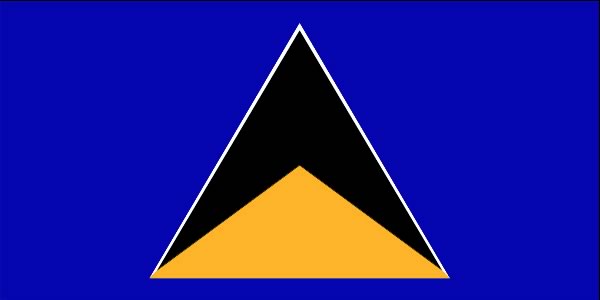

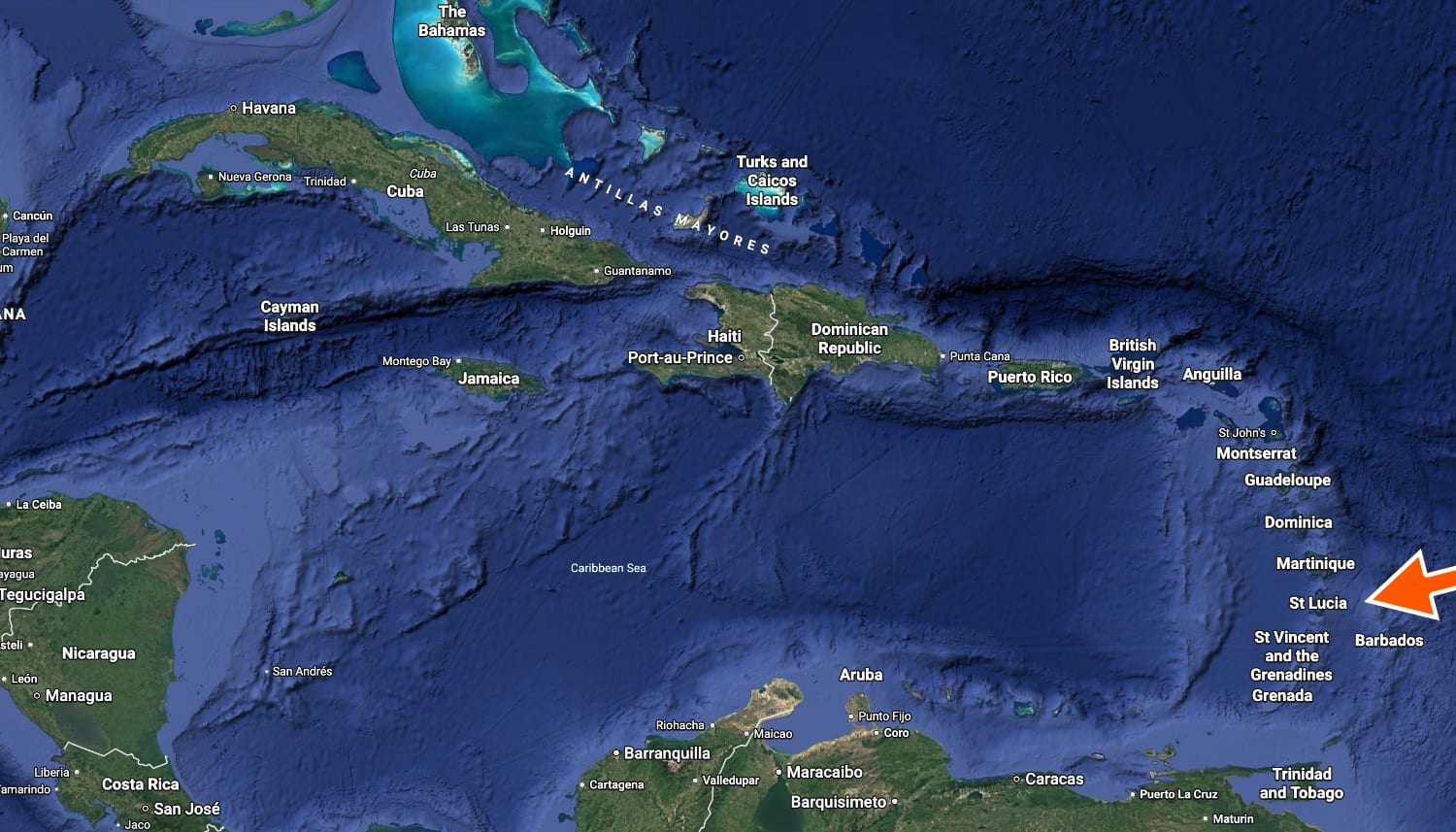




St. Lucia Social Pics
Mention @CoolestCarib in your social posts and stand a chance to be featured here.