5 Caribbean Islands Worth Planning Your Next Holiday Around

Caribbean Blogger |

Aerial shot of beach in Turks and Caicos Caribbean Island

While the Caribbean is often discussed as a single destination, selecting an island requires navigating a highly diverse array of ecosystems, cultures, and terrains. One island revolves around coral reefs, another around rainforest trails, and another around music, markets, or old harbor towns. While the famous coastlines are an obvious draw, they reveal only a fraction of each island’s distinct character.

Every destination featured here has plenty beyond the coastline. Venturing inland to explore local markets, quiet coastal roads, and historic architecture provides an authentic look at life beyond the resorts. Navigating these environments is most rewarding in the early morning, allowing you to bypass the intense midday heat and experience the towns before the daily cruise traffic arrives.

Turks and Caicos for Untouched Beaches and Private Stays

The waters surrounding the Turks and Caicos Islands are globally renowned for their clarity, with shallow, sandy coastal shelves that reflect sunlight to produce a brilliant turquoise hue. While Grace Bay remains the focal point for most visitors, eastern coastal extensions like Leeward Beach and the rugged shoreline of Malcolm’s Road Beach offer a far more secluded environment. Visiting these spots during the early morning hours provides calm wind conditions and empty shorelines before the afternoon sea breezes build.

For those considering Turks and Caicos villa rentals, staying close to the eastern side of Providenciales makes it easy to spend time around quieter beaches while still reaching grocery stores and local cafés within a short drive. Thursday evenings often revolve around the Fish Fry, where food stalls, musicians, and craft vendors gather before sunset.

Allocating an hour to drive along the edge of Chalk Sound National Park offers exceptional views of this highly scenic, landlocked lagoon. The winding coastal road features several designated pull-offs, allowing visitors to stop and observe the shallow, island-dotted waters safely without disrupting the slow, local flow of traffic.

Barbados for Reef Snorkeling, Rum Heritage and First-Timer Appeal

Barbados‘ well-developed infrastructure makes local travel exceptionally manageable. With clearly marked road networks, frequent public transport options, and a historic centre in Bridgetown that is easily walkable, visitors can transition smoothly between the coast and the capital. Broad Street becomes noticeably busier through the morning, while nearby Cheapside Market fills with local shoppers buying fruit, vegetables, spices, and fresh fish.

Protected from the stronger Atlantic swells, the tranquil western shoreline offers excellent underwater visibility for snorkelling over nearshore coral formations where sea turtles frequently feed. Reef shoes are a practical addition to your packing list, as the transition from soft sand to shallow nearshore reef is often characterised by sharp, submerged rock and coral formations.

Rum has shaped the island’s history for centuries, and touring one of the long-established distilleries, such as the historic Mount Gay facility or the working steam-mill estate at St Nicholas Abbey, helps explain the production heritage. Inland, the roads pass cricket fields, churches, and roadside stalls selling fresh sugar cane, coconuts, and seasonal fruit. Stopping at these roadside stalls is an easy way to break up the drive across the island’s interior.

Jamaica for Music, Mountains and the Wider Caribbean by Sea

Jamaica works well as a dedicated destination, but it is also a regular stop on regional itineraries. Those planning Caribbean cruises from the UK will find the island featured alongside nearby destinations, allowing passengers to explore both the busy ports and the mountain highlands during a single voyage.

Kingston has plenty to offer away from the waterfront. Coronation Market starts early, and by mid-morning the narrow walkways are packed with traders selling spices, tropical fruit, vegetables, and household goods. It is a highly energetic and crowded space, so travelling light is the most practical way to navigate the narrow aisles.

The Blue Mountains are noticeably cooler than the coast, especially first thing in the morning. Cloud often rolls across the higher slopes during the afternoon, so earlier walks generally come with clearer conditions. 

Jamaica Blue Mountains

St Lucia for Volcanic Peaks, Thermal Springs and Dense Rainforest

St Lucia’s main roads are winding and steep, passing through rural banana farms and small farming communities. Along the drive toward Soufrière, the twin volcanic peaks of the Pitons gradually dominate the skyline, and there are several safe roadside laybys where you can stop to view the landscape. Soufrière is the obvious base for seeing the volcanic area, where steam rises from the sulphur springs throughout the day, and the nearby mud baths remain popular. Arriving during the cooler morning hours ensures a far more tranquil experience, letting you walk the thermal areas in relative stillness before the midday humidity sets in.

The rainforest has several walking trails where hummingbirds, parrots, and tree frogs are regular sightings. Navigating the steep rainforest terrain and clay-heavy paths surrounding the Pitons requires sturdy, high-grip footwear, as the forest floor can quickly become slick under sudden coastal showers. 

While the southern rainforests appeal to hikers, those heading north to the capital will find a different side of the island’s culinary heritage. Planning a visit to Castries Market is best timed for a Saturday morning, when farmers from across the island arrive to sell fresh produce. While the dry goods and craft stalls remain open throughout the afternoon, the outdoor food and spice vendors generally pack down their displays by early lunchtime.

Saint Lucia Pitons
St. Lucis Pitons

Grenada for Spice Culture, Chocolate Traditions and Quiet Coves

Grenada’s preservation strategy is driven largely by community-led initiatives that protect the island’s unique ecosystems both on land and at sea. Local projects work to restore hurricane-damaged coral reefs, protect coastal mangrove systems, and manage active marine protected areas, which house underwater sculpture parks alongside traditional fishing grounds. This protective approach goes hand-in-hand with preserving cultural heritage, from traditional agriculture in the interior to heritage culinary techniques that remain distinct from standard resort menus.

The island’s relationship with cocoa runs deep, and several family-run farms focus on sustainable growing practices that protect the surrounding land while keeping local expertise alive. Observing the traditional sun-drying process on wooden trays and discussing cultivation methods with local growers offers a clear insight into Grenada’s established tree-to-bar chocolate industry.

The hilly streets of St George’s are highly navigable on foot, leading naturally down to the historic Market Square. This central hub is at its most active during the morning, serving primarily as a vital local trading space for fresh seafood and island produce. While Grand Anse is the island’s busiest stretch of sand, quieter alternatives like Morne Rouge Bay are situated just a short drive south and remain largely empty during the morning hours.

Grenada Turtles
Grenada Turtles

Which Caribbean island is calling you this year?

Every one of these islands approaches a Caribbean vacation a little differently. Turks and Caicos revolves around long beaches and clear water; Barbados balances coastal days with markets and rum heritage; Jamaica mixes city life with mountain scenery; St Lucia brings together volcanic landscapes and rainforest, while Grenada adds spice estates and chocolate production into the mix.

While the coastline offers effortless relaxation, stepping away to explore local infrastructure provides a much clearer understanding of each island’s distinct character. Incorporating straightforward detours into your itinerary, such as navigating a town market or stopping at a rural fruit stall, is the most effective way to experience each destination’s unique environment. These brief overland excursions provide a complete picture of the island’s landscape, leaving you better prepared to choose your next destination in the region.


Starting a business in the Caribbean?

Your website should work just as hard as you do.

At gandor.tv, we build clean, modern, and mobile-friendly websites designed specifically for Caribbean businesses.

With years of real-world experience, our team creates websites that look amazing and also run smoothly. This helps you reach more customers and grow your business online.

But hey, don’t just take our word for it — here’s what one happy client had to say:

“As the owner of a growing business, I need a reliable and TRUSTWORTHY guide to the digital world, who can do more than just websites. I found that in gandor.tv and their affiliation with the Coolest Carib network…””

Check out more website client success stories and request your personalized quote today at gandor.tv.

image-3.jpeg

About the Publisher: CoolestCarib

CoolestCarib.com is your go-to spot for everything Caribbean travel and lifestyle. The site brings the islands to life with fun articles, travel guides, cultural stories, and local highlights that capture the real vibe of the Caribbean. Whether you’re looking for travel tips, upcoming events, great places to eat, or must-see attractions, CoolestCarib helps you discover the best the islands have to offer.

It’s also a great platform for Caribbean businesses to get noticed. From restaurants and car rentals to hotels and water sports companies, local businesses can showcase their services to a bigger audience. Listings are shared across a network of 60+ Caribbean websites, helping brands connect with both tourists and locals.

Whether you’re planning your next island getaway or promoting your business in the Caribbean, CoolestCarib.com is all about connecting people with the culture, experiences, and opportunities that make the Caribbean special.

Please Note:

Facebooktwitterredditpinterestlinkedinmail

Packing Smart For Tropical Travel Without Overloading Your Luggage

Girl packing and unpacking her luggage for Caribbean travel

By Caribbean Blogger |

Most people headed to the Caribbean arrive at the airport with too much. A second pair of shoes for a dinner they probably won’t attend, a full-size shampoo bottle that ends up confiscated, and three books for a week in the sun when realistically one gets read. Packing smart for tropical travel isn’t about bringing less for its own sake. It’s about understanding what the climate actually demands, what you can pick up locally, and what takes up space without earning its place. Get that right and you move through the islands with freedom instead of friction.

Why Overpacking Happens in the First Place

Overpacking is almost always driven by anxiety, not genuine need. The “what if” thinking — what if it rains, what if there’s a nicer restaurant, what if I want to hike — adds layers of clothing and gear that never get used. For a Caribbean trip specifically, the environment itself resolves most of those scenarios: it’s warm, it’s humid, and the dress codes are relaxed almost everywhere.

Two men shaking hands with a for sale signed stating sold between them.

Why Does Tropical Packing Feel Different?

Hot, humid climates change your wardrobe math. You need fewer layers and more breathable fabrics, and clothing dries fast enough to wear, wash, and repeat within 24 hours. That changes the calculation entirely — you don’t need seven shirts for a seven-day trip when three will cycle through. The same logic applies to footwear, outerwear, and toiletries. For travelers with health considerations or specific physical needs, preparation also extends beyond the bag, make sure to check specific Caribbean Travel tips. This way, you’ll learn about how climate affects what you actually need on the ground, from medications to mobility, and many of those principles apply to any traveler thinking carefully about what to bring.

Another driver of overpacking is the assumption that nothing will be available once you land. In reality, Caribbean islands are well-supplied with sunscreen, toiletries, over-the-counter medications, and basic clothing. Buying locally when you run out isn’t a failure of preparation — it’s efficient travel.

What to Do With the Things You’re Not Taking

Deciding what to leave behind creates its own problem: where does it go? This matters most for longer Caribbean trips, seasonal relocations, or travelers who are subletting their home while they’re away. Not everything can or should sit in an unlocked apartment for two weeks.

Where Should Your Belongings Go While You Travel?

For shorter trips, a trusted neighbor or a locked spare room is usually enough. But for longer stays, extended island-hopping, or situations where you’re leaving a home partially unoccupied, a more structured solution makes sense. Valuables, documents, off-season clothing, and equipment that won’t survive weeks of high humidity all benefit from a controlled environment during your absence.

A storage unit is one of the more practical options for this. Also the benefits go further than most travelers consider. Beyond simply freeing up space, keeping your items safe in a dedicated facility protects against humidity damage, theft, and the general uncertainty of leaving things in an unmonitored space for weeks at a time — a real consideration for anyone planning a lengthy Caribbean stay.

Building a Tropical Capsule Wardrobe That Actually Works

A capsule wardrobe for island travel works on the principle that every item should be usable in at least two different contexts — beach to bar, hike to lunch, pool to market. That cross-functionality cuts the total piece count without limiting what you can do.

How Do You Build a Capsule Wardrobe for Island Travel?

Start with a neutral base, linen, or moisture-wicking fabrics in colors that mix easily. For a week-long Caribbean trip, three or four tops, two bottoms, one lightweight layer for overly air-conditioned restaurants and flights, and two swimsuits is a workable core. The swimsuit count matters more than most people expect. Alternating two lets each dry fully, which becomes important in sustained humidity. If you take a look at moving tips for Caribbean living, you’ll notice everyone advises to go with lightweight, breathable fabric choices suited to the tropical climate in detail. This is advice that applies just as much to a two-week holiday wardrobe as it does to a long-term relocation.

Girl with red dress and white hat on beach.

Footwear is where most travelers over-commit. Two pairs covers almost every situation: one pair of sandals that can handle both beach and casual dining, and one pair of closed-toe shoes for any hiking or boat activity. A third pair adds weight and rarely gets worn. Apply the same test to every item before it goes in the bag: how many times will I realistically wear this?

Packing Toiletries and Gear Without the Bulk

Toiletries are the most common source of unnecessary weight. Most of them are also the easiest to address. Solid formats, travel sizes, and multi-use products eliminate the bulk without eliminating the function.

Which Toiletries Are Actually Worth the Space?

Bring a high-SPF reef-safe sunscreen — this is non-negotiable for a Caribbean trip. And the reef-safe requirement matters both for compliance with local marine protection laws and for genuine environmental reasons. Everything else should be evaluated against what’s available locally. Shampoo, conditioner, body wash, and basic skincare are stocked at pharmacies and grocery stores across the islands.

For items worth bringing in travel size rather than buying locally:

  • Insect repellent (preferably DEET-free and plant-derived)
  • Any prescription medications in their original containers, with enough supply for the full trip plus a buffer
  • A small first-aid kit: blister plasters, antidiarrheal tablets, electrolyte sachets, and seasickness tablets for any boat days
  • Dry bags or ziplock pouches for protecting electronics and documents from salt spray and tropical downpours

Packing for Activities Without Extra Bags

Water sports, hiking, and snorkeling are among the most popular reasons people visit the Caribbean — and each activity comes with its own gear temptation. Most of it can be rented, borrowed from your accommodation, or substituted with something more compact.

What If You’re Bringing Sports Equipment?

Snorkel masks and fins are the most common items travelers bring that they could easily rent on arrival — often for under $25 per day at any beach operation. Bringing your own makes sense only if you plan to snorkel daily and already own a well-fitting mask that beats whatever the rental shop offers. Kitesurfing gear is a different matter: boards and kites are bulky, expensive to check, and often too specific to rent in the right configuration for your level. The safety guidelines for kitesurfing in the Caribbean include a thorough pre-trip checklist for equipment that doubles as a useful model for any gear-heavy activity. Make sure to run through it before deciding what’s worth the luggage fees.

For any sport equipment you do check, the Transportation Security Administration’s guidance on sporting goods is worth reviewing before you pack. Fins, spearguns, compressed gas cylinders, and certain knives all have specific rules, and discovering the issue at the check-in desk is a poor way to start a Caribbean trip.

Pack for the Trip You’re Actually Taking

Packing smart for tropical travel comes down to one honest audit at the end: does every item in this bag have a job? The Caribbean doesn’t reward heavy luggage — it rewards light movement between beaches, boats, and towns. Strip the bag to what you’ll actually use. Handle the things you’re not taking with a plan rather than an afterthought, and you’ll spend your energy on the islands instead of managing what you brought to them. The less you carry, the more room there is for the thing that makes every Caribbean trip worth it: showing up fully present and ready to move.


Starting a business in the Caribbean?

Your website should work just as hard as you do.

At gandor.tv, we build clean, modern, and mobile-friendly websites designed specifically for Caribbean businesses.

With years of real-world experience, our team creates websites that look amazing and also run smoothly. This helps you reach more customers and grow your business online.

But hey, don’t just take our word for it — here’s what one happy client had to say:

“As the owner of a growing business, I need a reliable and TRUSTWORTHY guide to the digital world, who can do more than just websites. I found that in gandor.tv and their affiliation with the Coolest Carib network…””

Check out more website client success stories and request your personalized quote today at gandor.tv.

image-3.jpeg

About the Publisher: CoolestCarib

CoolestCarib.com is your go-to spot for everything Caribbean travel and lifestyle. The site brings the islands to life with fun articles, travel guides, cultural stories, and local highlights that capture the real vibe of the Caribbean. Whether you’re looking for travel tips, upcoming events, great places to eat, or must-see attractions, CoolestCarib helps you discover the best the islands have to offer.

It’s also a great platform for Caribbean businesses to get noticed. From restaurants and car rentals to hotels and water sports companies, local businesses can showcase their services to a bigger audience. Listings are shared across a network of 60+ Caribbean websites, helping brands connect with both tourists and locals.

Whether you’re planning your next island getaway or promoting your business in the Caribbean, CoolestCarib.com is all about connecting people with the culture, experiences, and opportunities that make the Caribbean special.

Please Note:

Facebooktwitterredditpinterestlinkedinmail

Shore Excursions for the Authentic Traveler:

hiking and exploring Caribbean Islands

By Caribbean Blogger |

Small group of travelers exploring a Caribbean island

Going Beyond the Port.

Many of us are guilty of stepping off our cruise ship on port days and just following the signs. Port days are short, and the options across the Caribbean islands can sometimes feel endless. So the path of least resistance usually leads somewhere that’s “good enough”.

But the Caribbean has far more to offer than what you’ll find within walking distance of the dock, and it doesn’t take a radical change of plans to find it. It just takes knowing where to look and being willing to go a little further off the beaten path.

Why Some Port Excursions Feel Disappointing

Pretty much every ship docked on the same day sends its passengers to the same handful of attractions. That means you end up standing in long queues, losing time when you could be exploring.

When certain attractions start catering primarily to cruise traffic, they turn into tourist traps. In the Caribbean, this is especially common at busy stops like Nassau or St. Maarten.

You won’t find real local souvenirs in port towns. You’ll find mass-produced products that are made with tourists in mind, like the dozens of “authentic” jewelry shops you’ll see when you step off the boat.

The best way to avoid feeling disappointment when you head back to the ship is to venture further away from the ports.

What “Authentic” Really Means in the Caribbean

When it comes to the Caribbean, authenticity gets thrown around loosely. But in practical terms, these are experiences that show you how this place functions on any given day, without the performance that gets put on for visitors.

For instance, you can tour a gorgeous spice plantation in Grenada and visit a rum distillery in Martinique to see what these islands are really all about.

You can also change your entire experience just by asking the locals and being brave enough to explore on your own.

In Jamaica, that might mean skipping Dunn’s River Falls and instead going for a quieter swim at the Blue Hole. And in Barbados, you could head inland to Bathsheba rather than staying near the cruise terminal in Bridgetown.

You won’t be in port for long, so it pays to slow down and be more intentional with where you go.

How to Confidently Explore the Caribbean

Being more independent on port days doesn’t mean being unprepared, so here are a few tips that’ll come in handy.

Planning your own excursion

All you need to do is a little research on the port town before you set sail. For instance, if you’re on a cruise to the Caribbean, you can start by checking out the safest islands and then building an itinerary from there.

If you go knowing one or two things you really want to see on each island, you can have an amazing experience. Just be sure to set a hard return time to get back to the ship before it departs again.

traveler hiking in the Caribbean

Using local guides

Local guides are also a major help here. They are often licensed and more affordable than the cruise-contracted guides. You can also check out sites like GetYourGuide that list vetted guides with real reviews.

In the Caribbean, locally-run tours often support small family businesses as well. That means your money has a more direct impact on the community there.

Transport tips

Official taxis near port terminals are generally metered and the safest option. There are plenty of shared minibuses across the Caribbean islands. They’re much cheaper and a great way to get a feel for how the locals actually get around.

Remember, always confirm the return schedule before committing to going somewhere.

Time management

A two-hour round trip is usually the upper limit for a port day. You should always have a backup plan in case of delays, and give yourself at least an hour back at the ship before it departs again.

You also need to consider the type of cruise you’re on. A Caribbean cruise may stop at more than one island per day, so plan based on your ship’s scheduled itinerary times.

Traveling to the Caribbean With Intention

The best port days on the Caribbean islands aren’t necessarily the ones where you covered the most ground or saw the most attractions.

Choosing one experience per island and committing to it fully is much more fulfilling than breezing through five half-engaged stops.

Traveling the Caribbean authentically requires you to be more curious and a little more willing to wander than the average traveler. Happy travels!


Starting a Caribbean Business? Make Sure Your Website Delivers.

gandor.tv crafts professional, responsive, and visually striking websites tailored for businesses across the Caribbean.

Backed by years of hands-on experience, their team creates sites that don’t just look great—they perform seamlessly, helping you connect with your audience and drive real results.

But don’t just take it from us—here’s what a satisfied client had to say:

“Working with gandor.tv was a game-changer for our business. Their team delivered a sleek, responsive site that truly reflects our brand. Whenever we need an update, they reply ‘DONE!’ or ‘FIXED!’ within minutes. Highly recommend!”

Check out more website client success stories and request your personalized quote today at gandor.tv.

image-3.jpeg

About the Publisher: CoolestCarib

CoolestCarib.com is a vibrant online hub dedicated to showcasing the very best of Caribbean travel and lifestyle. Through engaging articles, in-depth travel guides, cultural features, and local spotlights, the platform captures the energy and charm of the islands. From expert travel tips and upcoming events to standout dining and must-visit attractions, CoolestCarib serves as a trusted companion for anyone exploring the Caribbean.

In addition to inspiring travelers, CoolestCarib functions as a valuable promotional platform for Caribbean businesses. It provides local enterprises—ranging from restaurants and car rentals to water sports operators and accommodations—with the opportunity to highlight their offerings. These listings are distributed across a network of more than 60 established Caribbean websites, helping businesses reach a wider audience of both visitors and residents.

Whether you’re planning your next island escape or looking to expand your presence in the Caribbean market, CoolestCarib.com connects you to the region’s vibrant culture, experiences, and opportunities.

Please Note:

Facebooktwitterredditpinterestlinkedinmail

Island Hopping the Caribbean and Beyond

By Caribbean Blogger |

Caribbean Island Hopping

How to Have a Multi-Country Adventure.

Traveling around the Caribbean can be an amazing experience. But the differences between locations matter.

When traveling between Caribbean islands, you may have to cross international borders, even when the distance appears short on the map. It can be tricky.

For example, you have Barbados, Saint Lucia, Grenada, and the Dominican Republic. Each one has:

  • Its own immigration process.
  • Various entry requirements.
  • Different departure taxes.
  • Different currencies (sometimes USD-friendly, sometimes not).

That means your planning will be a little more complex than if you just plan to stay in one resort location. But don’t worry, this post has you covered.

Caribbean travel
Another pleasant day on a Caribbean island

Step 1: Start With a Reasonable Path

There’s a common error among modern travelers. They pick their Caribbean destinations based on what they see on Instagram. That’s a mistake.

A better option is to geographically cluster destinations:

  • Eastern Caribbean Loop
  • Bardados, Saint Lucia, Grenada, Martinique
  • Greater Antilles Route
  • Jamaica, Puerto Rico, Dominican Republic
  • Southern Caribbean and Mainland Extension
  • Aruba, Curacao, Colombia

Notice something? They all have easy connections by group. You’ll find feasible ferry routes and regional flights. That’ll make your trip much easier than mixing random locations based on what looks cool online.

Plan movement first. Attractions come second.

Step 2: Learn the Reality of Transport

Flights will be a frequent part of your travel. That said, they can be expensive, have limited schedules, and are often strict on baggage.

Smaller planes are utilized by regional carriers. That large suitcase that you brought in case of emergency will become an issue.

On the other hand, you have ferries. They are scenic, but the weather can be an issue, and they aren’t always available. Some are also very slow.

Buffer time is critical. Do not book an international long-haul flight on the day of an island transfer, less than a few hours before boarding.

Step 3: Entry Requirements are Changing Fast

You’ll find a lot of cultural unity throughout the Caribbean. Politically and jurisdictionally, it is a different story.

Some islands are:

  • Independent nations
  • British Overseas Territories
  • French territories
  • Dutch territories

Visa rules differ. You’ll also have to consider health needs and health declarations.

When you are in places beyond the islands, such as mainland destinations like Colombia or Mexico, the documentation rules change once again.

Check:

  1. Passport validity (usually 6 months minimum)
  2. Onward travel proof
  3. Entry forms (most of them are now online)

Do not think that the rules from last year are still there.

Step 4: Connectivity Can Be a Big Issue

Connectivity is where the majority of multi-country trips collapse.

You land on an island. Your SIM works. You move to the next. Roaming costs increase or the service drops. Suddenly:

  • You are unable to get flight confirmations.
  • Ride-share apps fail.
  • Google Maps won’t load.
  • Your mobile bank app locks you out.

In the case of cross-border trips, it is better to purchase a regional data solution than to buy different SIM cards in different places. A Latin America eSIM that covers multiple Caribbean and nearby mainland destinations keeps your data active as you move between countries.

It is not only convenient. It’s control:

  • One setup
  • No airport SIM kiosks
  • No card swapping
  • No surprise roaming charges

When dealing with ferries, flights, and border checks, a steady connection is operational infrastructure.

Step 5: International Money Strategy

International travel also means planning for money. Currency confusion is a waste of time and money.

Examples:

  • The Eastern Caribbean Dollar (XCD) is applicable in a number of islands.
  • Barbados has its own dollar.
  • Some of the islands rely heavily on USD.
  • The currency of French territories is the Euro.

You can use credit cards in many locations. But you’ll also find a lot of places that require cash. Even smaller islands are still very dependent on cash in the form of taxis and beach vendors.

Strategy:

  1. Use a low-fee travel card.
  2. Convert cash in small amounts at the local level.
  3. Do not over-withdraw on currencies that you will not use again.

Step 6: Pace Yourself

Island hopping isn’t a race. Slow down and enjoy the atmosphere.

A strong rhythm looks like:

  • 3-4 nights per island
  • One transit day between
  • One “no-plan” day per location

Think you can cover five islands in ten days? You can’t. Much of your time will be spent at docks and airports, moving between locations.

Quality beats quantity.

Step 7: Weather and Hurricane Season

The weather patterns of the Caribbean are important. Hurricane season is between June and November. That does not mean there will definitely be a storm, but it does imply:

  • Higher cancellation risk.
  • Rougher seas.
  • Flexible planning required.

A multi-country trip does not have travel insurance as an option.

Step 8: Become Island Smart and Mainland Smart

An effective arrangement of the trip:

  1. Begin in a heavy travel location (such as Puerto Rico or the Dominican Republic).
  2. Go through the smaller islands.
  3. Complete culture and food depth on mainland Latin America.

That provides relaxation at the beach and the opportunity to explore the city, and in many cases, saves on total flight prices.

Planning Opens the Experience

Island hopping can be the experience of a lifetime. But it’s also a logistics game.

Start without the right plan, and you’ll always be behind. Think ahead, and you will cross through turquoise water and colorful cultures, not out of control but under it.

Sunset at a Caribbean Island
Caribbean Sunset – Can’t Top That!

Need A Website in the Caribbean?

gandor.tv specializes in designing professional, responsive, and visually compelling websites tailored for businesses across the Caribbean. With years of industry experience, our team creates websites that do more than look great—they perform flawlessly to support and grow your business.

But don’t just take our word for it. Here’s what one of our satisfied clients had to say:

“We have had the pleasure of working with gandor.tv on 4 separate website designs across our businesses and properties. Their design and programming skills are exceptional. They are ALWAYS RESPONSIVE AND CRYSTAL CLEAR ON THEIR FEES for design and maintenance. Any problem we have encountered, they have been able to resolve quickly and successfully. ”

Explore more client success stories and request your personalized quote today at gandor.tv

image-3.jpeg

About the publisher CoolestCarib

CoolestCarib.com is a vibrant online hub dedicated to celebrating Caribbean travel and lifestyle. From engaging articles and in-depth travel guides to cultural highlights and local insights, the site showcases the very best of the Caribbean. Whether you’re seeking expert travel tips, updates on island events, culinary discoveries, or top attractions, CoolestCarib is your go-to source for all things Caribbean.

More than just a travel resource, CoolestCarib also serves as a powerful marketing platform for Caribbean-based businesses. It offers local service providers – such as restaurants, car rentals, water sports operators, and accommodations – a space to feature their services. These listings are promoted across a network of 60+ established Caribbean websites, increasing exposure and connecting businesses with a wider audience of potential customers.

Whether you’re planning your next tropical escape or looking to expand your brand in the Caribbean market, CoolestCarib.com connects you directly to the heart and soul of the region.

Please Note:

Facebooktwitterredditpinterestlinkedinmail

Top 5 Caribbean Destinations for Digital Nomads

By Caribbean Blogger |

woman working on her laptop and smiling

Caribbean destinations for digital nomads continue to draw professionals who want stable workdays paired with outdoor recovery time. Because the climate remains warm year-round, daily routines do not change with the seasons. At the same time, aligning with the North American time zone keeps collaboration simple and predictable. Together, these conditions help remote professionals maintain output without overextending their schedules. Many professionals, therefore, report fewer disruptions to sleep and eating patterns. Over time, this consistency supports long-term productivity rather than short bursts of output.

Relocation Planning and Legal Groundwork

Moving your business to the Caribbean involves more than choosing a beach or city, because legal structure shapes daily stability. Visa terms, tax exposure, and residency timelines directly affect how long professionals can stay productive without disruption. For this reason, several islands now offer digital nomad visas that simplify compliance. Planning these steps early prevents pauses in income and client relationships. Since internet contracts often differ from short-term tourist plans, reviewing them ahead of time avoids surprises. As a result, clear preparation reduces administrative stress after arrival.

Autonomy, Routine, and Mental Space

Many remote professionals have the freedom to live anywhere while maintaining a daily structure. In practice, remote work relocation succeeds when routines stay familiar despite the new setting. Islands support this outcome because travel distances remain short and service clusters stay reliable. This balance, in turn, protects focus and reduces decision fatigue during workdays. Predictable mornings help professionals start work without friction. As familiar rhythms repeat, time management improves across weeks—reduced noise and congestion also aid concentration. Overall, mental clarity improves when logistics remain simple.

Barbados: Clear Policy and Reliable Infrastructure

Barbados provides clarity through defined long-stay programs and consistent utilities, which simplifies long-term planning. Internet coverage remains strong in residential and coastal work zones, supporting uninterrupted schedules. As daily logistics stay simple due to compact neighborhoods and strong public services, planning becomes easier. These factors allow professionals to plan months with confidence. Public transport and road networks further support short commutes. Grocery access stays reliable across the island. Professional services operate on consistent schedules. Because of this reliability, long-term stays require little adjustment.

Puerto Rico: Familiar Systems in an Island Setting

Puerto Rico blends island living with U.S. banking and mobile networks, which lowers administrative barriers. As a result, professionals avoid currency conversion and complex account setup. Urban areas support co-working spaces and reliable transport, keeping workdays efficient. This structure eases adjustment while preserving flexibility. Legal familiarity also reduces learning curves. Shipping and online services remain accessible. Medical services meet mainland standards. Together, these factors create stability for extended work periods.

Curaçao: Multilingual Access and Business Reliability

Curaçao supports smooth daily operations through stable utilities and multilingual services, which simplifies communication. In business districts, consistent internet and power access support focused workdays. Housing near Willemstad reduces commuting time, which protects energy levels. These traits place Curaçao among the best Caribbean Islands for digital nomads and remote workers. Clear zoning supports mixed residential and work areas. Local businesses respect scheduled appointments. Cultural norms favor punctuality. As a result, this environment supports disciplined work habits.

woman working on her laptop on the beach
Curaçao supports focused remote work through stable utilities, multilingual services, reliable internet, short commutes near Willemstad, and a punctual business culture that places it among the best Caribbean Islands for digital nomads and remote workers.

Aruba: Predictability and Personal Security

Aruba stands out for safety and service reliability, which lowers daily stress. Internet speeds support video calls and cloud-based tasks without frequent interruptions. Because neighborhood design limits long daily travel, routines stay efficient. Predictability helps professionals maintain steady output over long stays. Public services operate with consistency. Infrastructure receives ongoing maintenance. Daily errands require little planning. This stability reduces mental load during workweeks.

Dominican Republic: Scale, Variety, and Community

The Dominican Republic offers multiple lifestyle options across regions, allowing professionals to choose based on work style. Santo Domingo supports structured urban routines, while Cabarete suits flexible schedules. Meanwhile, infrastructure continues to improve in key areas. This range allows professionals to match the environment with workload needs. Housing costs vary widely by location, which supports budget flexibility. Community groups help newcomers integrate quickly. Workspaces continue to expand outside capital cities. As a result, choice remains a core advantage.

Cost, Timing, and Ownership Considerations

Housing costs shift by island and neighborhood, so timing plays a role in long-term planning. In some cases, markets present a smart time to buy compared with earlier peaks. Seasonal rental pricing also creates negotiation windows. Cost awareness, therefore, helps preserve savings during extended stays. Budget planning improves location flexibility. Lower overhead supports longer stays. Ownership options vary by residency status. Financial clarity reduces long-term risk.

Workday Flow Across Caribbean Destinations for Digital Nomads

Across many islands, compact cities reduce time lost to commuting and errands. As cafés, offices, and housing often sit within walking distance, daily movement stays efficient. Utilities receive priority in business zones, which supports consistent schedules. These conditions explain how Caribbean destinations for digital nomads sustain productivity—predictable service hours support planning. Reduced transit time increases focused work blocks. Daily routines remain uninterrupted. This efficiency supports consistent delivery.

woman working and talking to her phone on the beach
Compact island cities keep cafés, housing, and workspaces close together, reducing commuting time, protecting schedules, and helping Caribbean destinations for digital nomads sustain consistent productivity.

Social Structure and Daily Balance

Professional communities form quickly in small island cities, which helps newcomers settle faster. As shared schedules develop, accountability increases, and routines stay steady from week to week. Social contact stays available without overwhelming calendars, so work hours remain protected and predictable. This balance reduces isolation while preserving focus. Questions around buses, scooters, or moving your car to the Caribbean often get answered through these connections before issues arise. Regular meetups create professional familiarity without demanding constant participation. Over time, social ties develop gradually and without pressure, strengthening long-term satisfaction and stability.

Connectivity Expectations and Backup Planning

Fiber access concentrates in central districts and coastal corridors, which shapes housing choices. Mobile data, therefore, serves as a reliable backup during outages. Many professionals choose housing near hospitals and main roads to reduce disruption risk. These choices limit interruptions and support consistency. Backup planning reduces workday anxiety. Power stability improves in commercial zones. Redundancy protects deadlines. Preparedness supports confidence. Having contingency plans in place allows professionals to respond calmly when minor disruptions occur without losing momentum.

Choosing Caribbean Destinations for Digital Nomads With Clarity

Caribbean destinations for digital nomads offer structure, climate stability, and reliable connectivity in compact environments. Although each island presents different strengths tied to infrastructure and cost, patterns remain consistent. Careful planning aligns visas, housing, and routines. With the right match, professionals protect productivity while enjoying island life. Long-term success depends on realistic expectations. Location choice shapes daily habits. Stability supports sustainable work output. As a result, island living becomes practical rather than disruptive.

You’ll Need A Website in the Caribbean! 

gandor.tv specializes in designing professional, responsive, and visually compelling websites tailored for businesses across the Caribbean. With years of industry experience, our team creates websites that do more than look great—they perform flawlessly to support and grow your business.

But don’t just take our word for it. Here’s what one of our satisfied clients had to say:

“Working with gandor.tv was a game-changer for our business. Their team delivered a sleek, responsive site that truly captures our brand. When we request an update, they respond ‘DONE!’ within minutes. Highly recommend!”

Explore more client success stories and request your personalized quote today at gandor.tv

image-3.jpeg

About the publisher CoolestCarib

CoolestCarib.com is a vibrant online hub dedicated to celebrating Caribbean travel and lifestyle. From engaging articles and in-depth travel guides to cultural highlights and local insights, the site showcases the very best of the Caribbean. Whether you’re seeking expert travel tips, updates on island events, culinary discoveries, or top attractions, CoolestCarib is your go-to source for all things Caribbean.

More than just a travel resource, CoolestCarib also serves as a powerful marketing platform for Caribbean-based businesses. It offers local service providers – such as restaurants, car rentals, water sports operators, and accommodations – a space to feature their services. These listings are promoted across a network of 60+ established Caribbean websites, increasing exposure and connecting businesses with a wider audience of potential customers.

Whether you’re planning your next tropical escape or looking to expand your brand in the Caribbean market, CoolestCarib.com connects you directly to the heart and soul of the region.

Please Note:

Image Credit:

https://www.pexels.com/photo/laughing-businesswoman-working-in-office-with-laptop-3756679

https://www.pexels.com/photo/woman-in-striped-long-sleeves-watching-on-laptop-while-siting-on-yoga-mat-5929005

https://www.pexels.com/photo/woman-in-black-long-sleeve-shirt-and-white-pants-holding-a-laptop-at-the-beach-8052179

Facebooktwitterredditpinterestlinkedinmail

How to Ship Your Belongings to the Caribbean

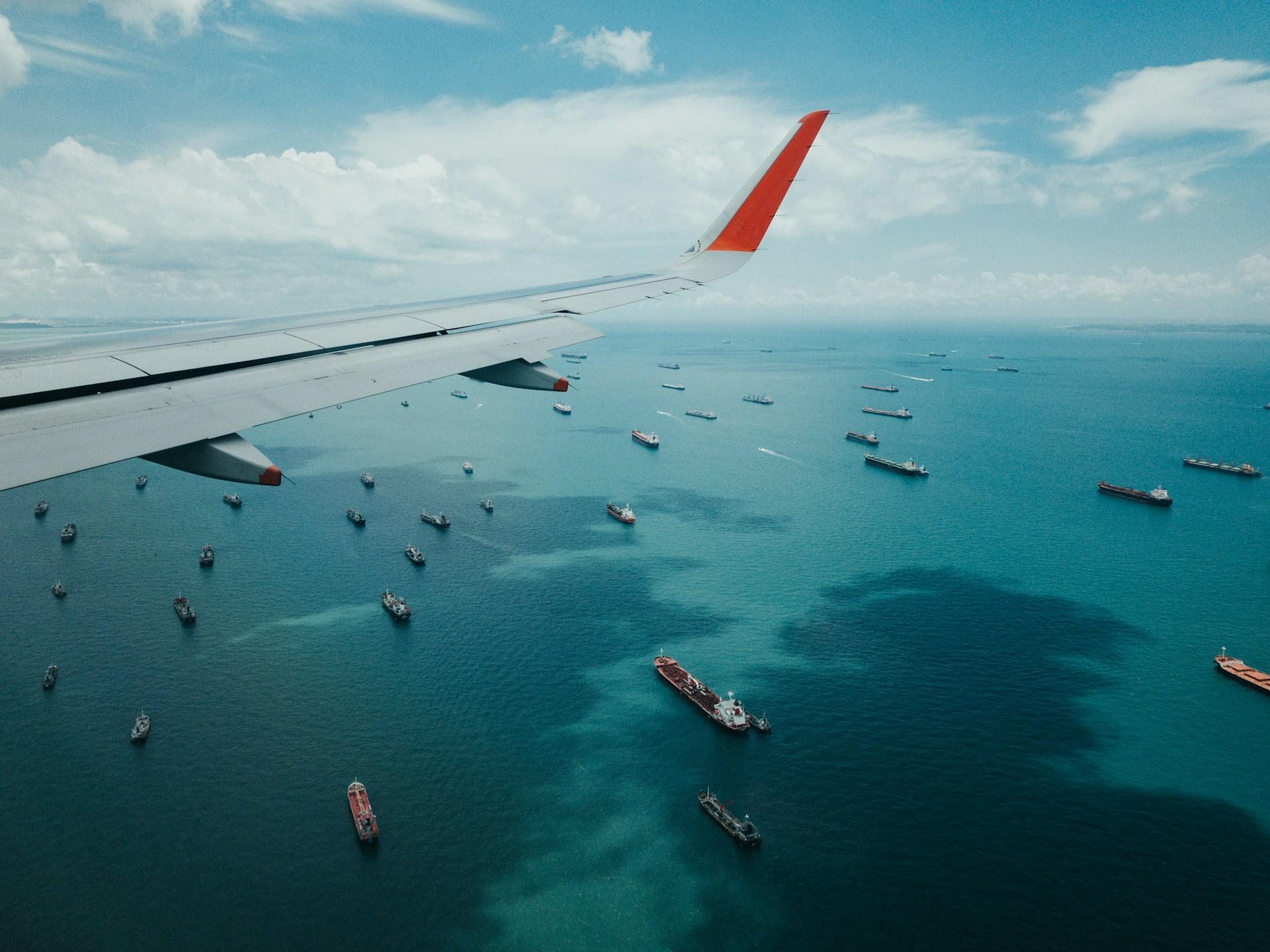
Turtle and airplane wing

By Caribbean Travel Blogger |

White and red airplane in the sky with the body of water beneath it

Moving to the Caribbean can feel like a dream come true. Between the turquoise waters, laid-back lifestyle, and warm tropical breeze, it’s easy to imagine yourself relaxing on the beach after unpacking your last box. However, before that happens, there’s a big task to handle – figuring out how to ship your belongings to the Caribbean safely, efficiently, and affordably. Whether you’re relocating permanently, sending household goods for a long-term stay, or moving part of your belongings to a vacation home, understanding the logistics of Caribbean shipping will make the process far smoother.

Understanding the Basics of Caribbean Shipping

Shipping to the Caribbean is different from moving within your home country. The region is made up of numerous islands, each with its own import laws, customs requirements, and port operations. Depending on your destination—Jamaica, the island of Barbados, or the Bahamas – you’ll need to select the right shipping method, prepare documentation, and understand import duties. Most shipments arrive by sea freight, as this is the most economical option for household goods. Air freight is faster but usually reserved for smaller, urgent shipments due to its higher cost.

Managing Costs and Planning Your Budget

Managing costs for overseas relocation is a crucial step in the planning process. Costs can include shipping rates, packing materials, customs duties, insurance, and destination delivery fees. To make your move cost-effective, research multiple quotes and compare service inclusions carefully. This is also where learning ways to avoid overspending when budgeting for an international move becomes essential. By setting a realistic moving budget and anticipating potential expenses, you’ll have better control over your finances. Smart organizing finances for a move overseas involves identifying areas where you can save, such as consolidating shipments, choosing slower transit options, or packing efficiently to reduce volume-based charges.

Ship Your Belongings to the Caribbean: Choosing the Right Shipping Method

There are two primary options for shipping household belongings overseas: full container load (FCL) and less than container load (LCL). With FCL, you rent an entire container, ideal for large shipments or a full household move. LCL allows you to share container space with other shipments, which can be more cost-effective if you’re sending fewer items. Air freight is an alternative when you have minimal cargo or time-sensitive goods. The best method depends on your volume, budget, and timeline.

Preparing Your Belongings for International Transport

Packing for an international move requires more care than a local one. The journey to the Caribbean may involve long transit times, humidity, and multiple handling points. Use sturdy boxes, seal them securely, and clearly label every item. Wrap fragile belongings in protective materials, and if possible, use waterproof containers for items sensitive to moisture. Remember that tropical climates can affect materials like wood, leather, or electronics, so proper protection is key.

Dealing with Customs and Documentation

Each Caribbean island has its own customs regulations. Some require detailed packing lists and proof of ownership, while others may ask for import licenses or permits. It’s essential to research your destination’s requirements early. Common documents include a bill of lading, passport copy, packing inventory, and proof of residence or work permit. Working with a reputable international moving company can simplify this process, as they’ll handle much of the documentation and customs coordination on your behalf.

Timing Your Shipment Correctly

Timing is everything when planning your move. The Caribbean has distinct weather patterns, including hurricane seasons that can affect shipping routes. Ideally, schedule your move during the drier months, usually between December and April, to minimize weather-related delays. Also, shipping schedules to some islands may be less frequent, so it’s wise to confirm transit times and arrival dates well in advance. Proper timing ensures your belongings arrive when you do, avoiding unnecessary storage costs or logistical headaches.

Finding a Reliable Shipping Partner

A trustworthy moving or shipping company can make all the difference in your relocation experience. Look for movers with experience handling Caribbean shipments specifically. They’ll understand regional customs, port operations, and local delivery challenges. Read reviews, check for international licensing, and ask whether they offer insurance coverage for ocean freight. A professional shipping partner can also provide door-to-door service, which means they’ll handle your belongings from your old home straight to your new Caribbean address.

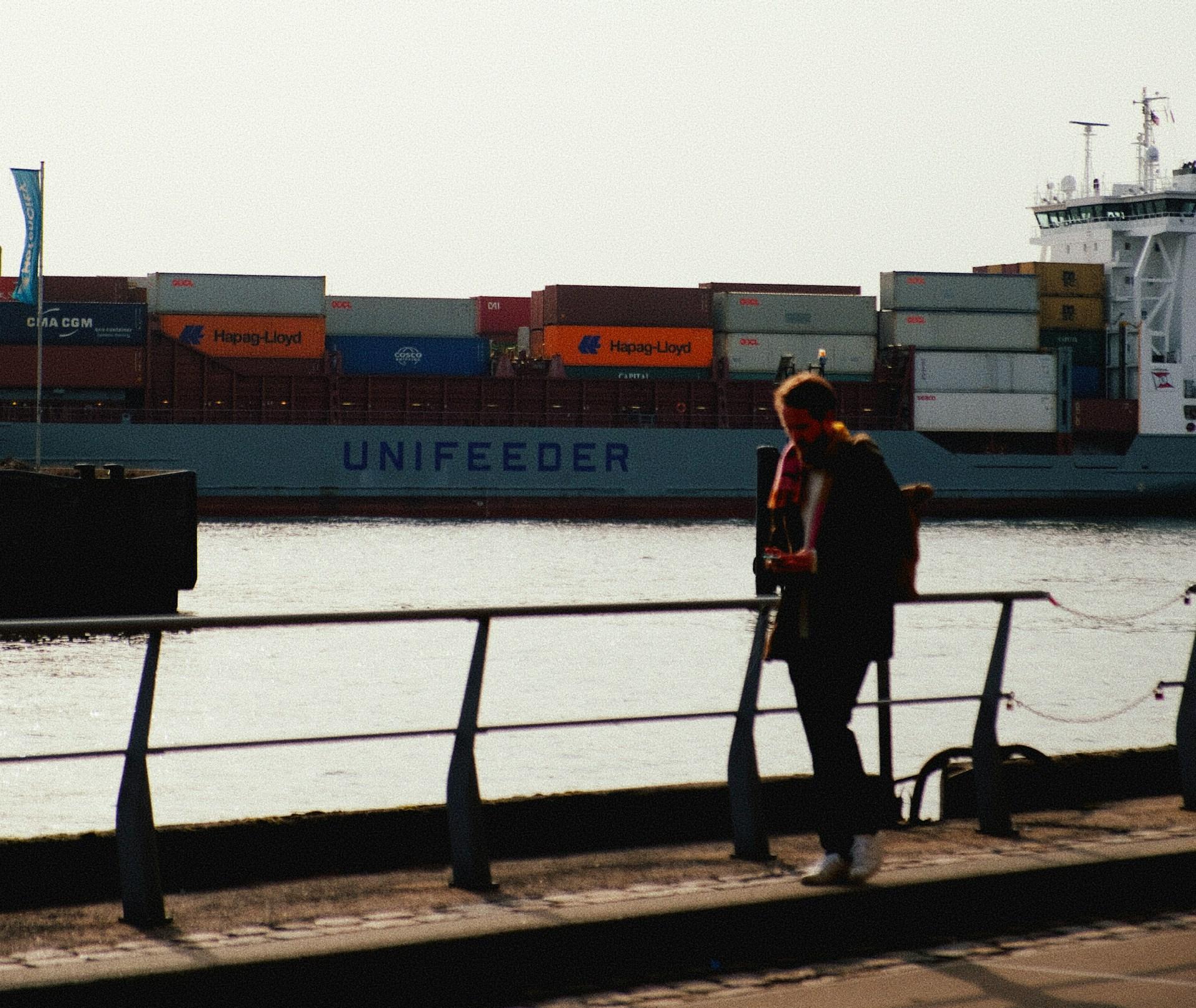
A person in a red jacket walking near a body of water
If you have to ship your belongings to the Caribbean, make sure to find a reliable shipping partner.

Understanding Insurance for Overseas Moves

Even with the most careful planning, international shipments can face unexpected issues. Insurance is your safeguard against loss or damage during transport. Most moving companies offer various coverage levels – basic protection or full-value coverage based on your declared item values. Always review the policy details, understand what’s covered, and keep a record of high-value items with photos or receipts. In the tropical climate and long transit times, insurance provides valuable peace of mind.

Adapting to Island Logistics and Delivery

Island living often comes with slower-paced logistics. Once your shipment reaches the Caribbean port, it may take additional days to clear customs and transport your items to their final destination. Some smaller islands may not have large container ports, meaning your goods could be transferred via smaller vessels or trucks. Patience is key here, as efficiency can vary between islands. Communicate regularly with your shipping agent for updates and be prepared for minor delays, which are quite common in island freight operations.

Reducing Stress During Your Move

International moving can be stressful, but a well-organized plan helps tremendously. Start early by creating a checklist of tasks – packing, documentation, shipping schedules, and customs forms. Keep copies of all paperwork, track your shipment, and maintain open communication with your moving company. Decluttering before your move also helps; the fewer items you ship, the easier and cheaper the process becomes. Staying flexible and informed allows you to handle unexpected changes calmly and effectively.

Considering Storage Options Before and After Arrival

Sometimes, your belongings may arrive before you’re ready to move in, or you may not want to bring everything at once. In such cases, storage services are a practical solution. Many international movers provide temporary storage at the origin or destination. Choose climate-controlled storage if you’re dealing with humidity-sensitive items. Once your housing situation in the Caribbean is settled, you can schedule delivery at your convenience.

Adjusting to Life in the Caribbean

After your belongings arrive safely, the next chapter begins—settling into Caribbean life. It’s worth remembering that living on an island brings new routines and cultural experiences. Expect a more relaxed pace, local festivals, and friendly communities. You’ll quickly discover that the move was well worth the effort. Knowing that you managed the shipping process successfully will give you confidence as you adjust to your new surroundings.

Brown and black turtle
It’s worth remembering that living on an island brings new routines and cultural experiences.

Shipping to the Caribbean

The necessity to ship your belongings to the Caribbean doesn’t have to be complicated. With careful planning, reliable partners, and realistic expectations, you can make the transition smooth and stress-free. Understanding customs requirements, choosing the right shipping method, and planning your budget thoughtfully will help you avoid surprises along the way. Once your boxes are unpacked and you’re watching the sunset over the ocean, you’ll realize that the effort was only a small step toward a beautiful new life in paradise.

….

Launching a New Caribbean Business? You’ll Need a Website That Works.

gandor.tv specializes in creating professional, responsive, and visually stunning websites for businesses across the Caribbean. With years of hands-on experience, their team builds sites that not only look incredible but perform flawlessly – helping you reach your audience and achieve your business goals.

Don’t just take our word for it – here’s what one happy client shared:

“Working with gandor.tv was a game-changer for our business. Their team delivered a sleek, responsive site that truly reflects our brand. Whenever we need an update, they reply ‘DONE!’ within minutes. Highly recommend!”

Explore more glowing reviews and request your personalized quote today at gandor.tv
image-3.jpeg

About the publisher CoolestCarib

CoolestCarib.com is a dynamic online destination celebrating the best of Caribbean travel and lifestyle. Featuring captivating articles, detailed travel guides, cultural insights, and local highlights, the site brings the spirit of the islands to life. Whether you’re looking for expert travel advice, the latest island events, culinary gems, or must-see attractions, CoolestCarib is your ultimate guide to all things Caribbean.

Beyond being a travel resource, CoolestCarib also doubles as a powerful marketing platform for Caribbean-based businesses. It gives local providers—such as restaurants, car rentals, water sports operators, and accommodations—a space to showcase their services. These listings are featured across a network of more than 60 established Caribbean websites, amplifying visibility and connecting businesses with a broader audience of travelers and locals alike.

Whether you’re dreaming up your next tropical getaway or seeking to grow your brand in the Caribbean market, CoolestCarib.com connects you directly to the vibrant heart and soul of the region.

Please Note:

Photo Credit

https://unsplash.com/photos/white-and-red-airplane-wing-over-the-sea-during-daytime–S15r4VsQhY

https://unsplash.com/photos/woman-in-red-jacket-standing-on-black-metal-railings-near-body-of-water-during-daytime–t2lqUu_EyI

https://unsplash.com/photos/brown-and-black-turtle-on-body-of-water-gqQeXtvuuAQ

Facebooktwitterredditpinterestlinkedinmail

Caribbean Travel Tips for Seniors:

By Gloria Martinez |

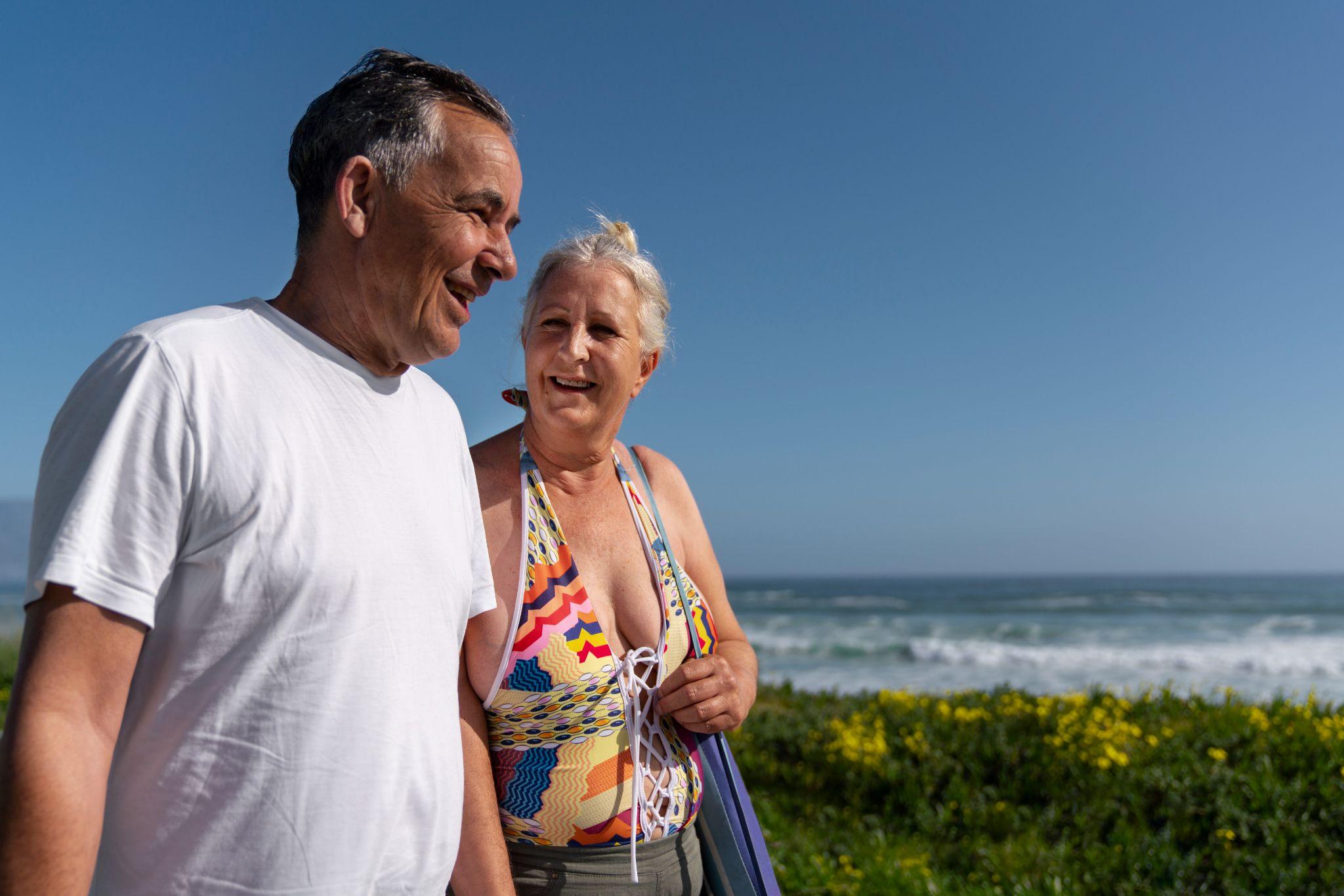
Seniors at a beach in the Caribbean

How to Stay Comfortable, Safe, and Energized

The Caribbean promises warm beaches, vivid sunsets, and cultural charm that feels like medicine for the soul. But for senior travelers, a trip to paradise also requires practical planning – because relaxing doesn’t mean letting your guard down. From managing mobility to avoiding dehydration, a few key adjustments can make the journey smoother. You don’t need to plan every detail, but knowing what to expect helps preserve your energy and peace of mind. Think of this less as a checklist and more like tuning the trip to your own rhythm. Age brings wisdom – this is just about giving it room to travel with you.

Senior citizens hiking

Get Ahead on Health Requirements

Your immune system, even if healthy, might not love sudden changes in food, water, or climate. Consult with your doctor or a travel health clinic at least six weeks before departure. They’ll help ensure you’re protected against anything out of the ordinary. And don’t forget to refill prescriptions in advance – travelers have learned the hard way that Caribbean pharmacies aren’t always stocked for surprises.

Cruise Smarter, Stay Healthier

Cruise ships can feel like floating resorts, but they also concentrate thousands of people into a shared ecosystem – hello, germs. Seniors tend to be more susceptible to norovirus and respiratory infections, both of which spread fast on board. Wash your hands more often than you think you need to, especially after touching stair railings or attending buffet meals. Try to skip peak-hour crowds at shows or excursions. If you start feeling off, don’t shrug it off – visit the medical center early. Cruise vacations are fun, but no one wants their Caribbean memories shaped by a 48-hour stomach bug.

Store Travel Documents on Your Device

Keeping paper copies of your travel info is smart, but it’s even smarter to make them digitally accessible. Save your boarding passes, medical records, and hotel confirmations as PDFs on your phone or tablet. That way, even if you’re in an area with no signal or Wi-Fi, you can still pull up what you need. If your important documents are in other formats, you can use an online tool to convert documents to PDFs before your trip. It’s a small step with big returns: fewer panicked searches, more peace of mind.

elderly woman staring out the window

Prioritize Comfort When Booking Lodging

Not all hotels are created with older travelers in mind. That charming colonial inn may have stunning views but also three flights of stairs and no elevator. Look for properties that offer ground-floor rooms, grab bars in bathrooms, and 24-hour staff support. It’s not about limiting your options – it’s about removing unnecessary friction. Many seniors prefer all-inclusive resorts because they bundle comfort, convenience, and medical access under one roof. Before booking, call ahead and ask specific questions about mobility access and emergency protocols. The more predictable your base is, the freer you’ll feel exploring everything else.

Keep Hydrated and Nourished in the Heat

Tropical heat is no joke. And while you might not feel thirsty, your body’s water reserves can dwindle quickly in warm, humid climates. Start hydrating before your flight and make drinking water part of your daily routine on vacation. Avoid sugary cocktails and sodas during peak sun hours—they dehydrate more than they refresh. Eat plenty of fruits and vegetables rich in water and electrolytes: watermelon, papaya, spinach. Small, frequent meals are easier on digestion and help keep your energy even. The goal isn’t to diet – it’s to give your body what it needs to enjoy the island’s gifts fully.

Elderly woman on a sailing boat

Don’t Skip Travel Alerts and Registration

It’s easy to overlook the paperwork side of travel when your mind’s on turquoise water and sandy toes. But checking government travel advisories for your destination helps you spot health risks, weather disruptions, or civil unrest. Enroll in official travel registration programs like STEP (Smart Traveler Enrollment Program) so your embassy can contact you in case of emergency. Bring printed and digital copies of your ID, insurance, itinerary, and emergency contacts. It’s not fear-based planning – it’s friction reduction. You hope you never need it. But if you do, having those documents squared away makes all the difference.

Woman and man sailing

Plan Excursions with Your Body in Mind

Your vacation should match your pace, not test it. Look for walking tours, museum visits, or culinary experiences that allow rest breaks and don’t rush. Caribbean terrain can be uneven, especially in historic towns – so proper shoes matter more than trendy ones. Ask tour operators whether there’s seating available along the way or if shuttles are used between locations. Group size is also worth asking about: smaller usually means more flexibility. You’ve earned the right to travel on your own terms. Choosing excursions that respect your pace lets you enjoy them fully.

A trip to the Caribbean doesn’t need to be complicated – it just needs to be aligned with you. Don’t let the marketing images fool you into overcommitting. You don’t need to “do it all” to have a meaningful time. Prioritize safety, choose comfort, and give yourself permission to rest. The real luxury is having the time and energy to enjoy what matters most. Travel isn’t just about where you go—it’s about how you feel when you get there. And the smartest travelers know that the best memories come when you feel both free and prepared.

Embark on your Caribbean adventure with CoolestCarib, your ultimate guide to the vibrant culture, stunning tours, and unique experiences across the Caribbean islands!

image-3.jpeg

Your Caribbean Business Deserves a Website That Works as Hard as You Do

At gandor.tv we craft beautiful, responsive, and results-driven websites built specifically for Caribbean businesses. With a proven reputation for excellence, our team combines stunning design with flawless functionality to help you stand out online and achieve your business goals.

But don’t just take our word for it – hear it from one of our happy clients:

“Working with gandor.tv was a game-changer for our business. Their team delivered a sleek, responsive site that truly captures our brand. Whenever we need an update, their response is always ‘DONE!’ within minutes. Highly recommend!”

Discover more success stories and request your custom quote today at  gandor.tv

Facebooktwitterredditpinterestlinkedinmail

How to Plan a Surprise Trip for Your Partner That Actually Feels Magical!

By Gloria Martinez |

image1.jpg

Planning a surprise trip for someone you love is one part logistics, two parts theater. It’s the rush of secrecy paired with the hope that the effort will land as joy, not chaos. But pulling it off isn’t just about booking flights and hiding confirmations – it’s about timing, subtle cues, and reading your partner’s bandwidth. Surprise doesn’t mean spontaneity without thought. It means you’ve done the emotional calculus: what will make them feel cherished, understood, and safe while being swept away. That’s the true heart of a memorable surprise getaway – one that isn’t just a trip, but a moment they’ll revisit long after unpacking.

Build the Anticipation Without Spilling the Beans

Start with the mind, not the map. Research has shown that how planning trip anticipation lifts mood can matter just as much – if not more – than the trip itself. It’s the dopamine drip of thinking about a place, imagining it, dreaming into it. When you’re planning a surprise, you hold that anticipation for two. So create micro-moments that build curiosity: drop a cryptic message about packing sunglasses in winter, or casually ask about favorite airport snacks. The idea isn’t to blow the secret, but to create flickers of excitement that the brain can latch onto, even if your partner doesn’t yet know why.

A woman appearing surprised by the new environment she finds herself in.

Health Is the Hidden Foundation of Fun

One detail too often overlooked? Wellness. No, not yoga-on-the-beach wellness—basic travel stamina. A trip can be beautifully planned and still fall flat if you’re both run down by day two. That’s why staying healthy as a couple while traveling becomes part of the surprise’s success. Hydration, downtime, protein—boring? Maybe. But it’s hard to enjoy candlelit dinners or sunrise hikes if someone’s battling jet lag and a stress-induced migraine. Make space for sleep and real food. Build in movement. Protect the energy you want to share.

Low-Friction Travel Makes Space for Presence

If you’re thinking about somewhere warm, go with ease. The Caribbean, for instance, can be a gorgeous backdrop, but it’s not just about palm trees—it’s about rhythm. For surprises, that rhythm matters. Part of planning your Caribbean escape with ease means choosing destinations where the logistics won’t overwhelm you. Pick spots with low transfer times, simple customs processes, and properties that handle the little things—because you’re already holding the mental load of the secret. Less friction means more glow once you get there.

Man and woman walking hand in hand on the beach.

Leave Room for Nothing to Happen

And then… don’t overbook it. This is not a business itinerary. There is no prize for Most Attractions Hit in 48 Hours. If your goal is presence, then limiting daily plans eases pressure on both of you. Leave space in the day for nothing but a nap in filtered light or a long lunch that turns into dinner. Planning too tightly can turn surprise into stress, especially if there are misaligned expectations you can’t explain ahead of time. Slow the pace so the two of you can actually arrive.

Small Gestures, Bigger Emotional Footprint

Don’t mistake “surprise” for “scale.” The smallest details often become the deepest memories. A sticky note tucked into a passport. A playlist timed to your first night’s drive. These tiny romantic touches weave intimacy into the edges of the trip, making even a short escape feel deeply personal. You don’t have to invent grand spectacles—just moments of care that say: I thought of you before you knew I was thinking of you. That’s the real theater. That’s what sticks.

Man and woman in boat in foreign country

Don’t Let the Surprise Override Consent

One warning though: too much surprise can backfire. There’s a fine line between spontaneity and whiplash. If your partner has responsibilities, routines, or even anxiety around change, too‑sudden trips risk unpreparedness in ways that don’t feel good. It’s not romantic to feel caught off guard if it triggers panic about work, pet care, or just wardrobe. You’re not trying to overwhelm them—you’re trying to delight them. Consider a “soft” surprise: they know a trip is coming, but not the where or the what. That keeps autonomy intact while still preserving the magic.

Know When Mystery Enhances and When It Disconnects

And if you’re considering going full mystery—where even the destination is a secret—proceed with care. There’s something seductive about blindfolded airport runs and envelope reveals, sure. But mystery‑destination trips spark thrill and disconnect in equal measure. You need to know your partner’s appetite for ambiguity. Some people thrive on not knowing. Others quietly spiral. If you do go that route, build in tiny disclosures along the way – a weather hint, a clothing clue, a restaurant preview—to give them mental anchors while still keeping the destination hush-hush.

man and woman in air balloon

At the end of it all, remember that the surprise is not the trip. The surprise is the gesture. The quiet decision to say, “I want to give you a break from decision-making.” It’s the emotional lift of knowing someone has taken care of the details because they love you enough to do it. It’s not about getting everything right. It’s about showing up with intention, with joy, with the kind of presence that doesn’t need an occasion. So book the flights. Keep the secret. Set the playlist. But leave room for the unexpected to feel… real. Because that’s what they’ll remember – how it all felt, not just where you went.

Discover your dream Caribbean getaway with CoolestCarib, your ultimate guide to the islands’ best tours, activities, and cultural experiences. Dive into paradise today!

Grand Cayman

Exuma Bahamas

Your Caribbean Business May Need A New Website

gandor.tv delivers expertly designed, responsive, and visually impactful websites tailored for businesses throughout the Caribbean. With a proven track record, their team is dedicated to creating sites that not only impress visually but also function flawlessly to help achieve your business objectives.

Don’t just take our word for it – here’s what one satisfied client had to say:

“Working with gandor.tv was a game-changer for our business. Their team delivered a sleek, responsive site that truly captures our brand. When we request an update, they respond “DONE!” within minutes. Highly recommend!” 

Explore more glowing testimonials and get your custom quote today at gandor.tv

image-3.jpeg

Photo Credit:

1st Image via Pexels

Facebooktwitterredditpinterestlinkedinmail

Moving Your Car to the Caribbean: What You Need to Know

Moving Car to Caribbean

By Caribbean Blogger |

A truck with cars on the back of it

Relocating to the Caribbean is a dream for many, and bringing your car along can make settling into island life even smoother. Whether you are moving for work, retirement, or simply seeking a change of scenery, having your vehicle with you offers freedom and convenience in a new environment. However, shipping a car overseas requires planning, patience, and a good understanding of the process. From paperwork and regulations to choosing the right shipping method, there are several important factors to consider before you send your car on its journey. Learn everything you need to know about moving your car to the Caribbean right here. With the right preparation, you can avoid unnecessary stress, save money, and ensure your vehicle arrives safely and legally at its new destination.

Understanding Why People Ship Cars to the Caribbean

The Caribbean is a collection of diverse islands, each with its own culture, infrastructure, and transportation options. While public transportation may be available, it’s often limited in frequency and coverage. Having your own vehicle gives you independence, allowing you to explore beyond city centers, run errands at your convenience, and enjoy the scenic drives that islands are known for.

In addition, cars can be expensive to purchase locally, especially if they are imported through dealerships. Shipping your current vehicle might be more cost-effective than buying a new one upon arrival.

Working with Movers: Amateur vs. Professional

One of the biggest decisions you will face is choosing who will handle the logistics of shipping your car. Some people attempt to manage everything themselves, working directly with shipping lines and local authorities. While this might save money upfront, it can also lead to confusion and delays if you’re not familiar with the process.

This is why many people prefer to work with experienced companies that specialize in overseas vehicle shipping. It’s important to distinguish between amateurs and experts. Those new to the field may lack the network and knowledge needed for smooth customs clearance. On the other hand, when you find truly professional movers, they can simplify the process, provide clear timelines, and anticipate potential issues before they arise.

Understanding Costs and Fees

Shipping a car to the Caribbean comes with costs that go beyond the transport itself. Shipping fees vary depending on the method, distance, and the size of the vehicle. In addition, you should budget for port charges, customs duties, and inspection fees at your destination.

Insurance is another cost to consider. While optional, it is highly recommended. Marine insurance covers your vehicle in case of damage or loss during transit, giving you peace of mind as your car crosses international waters.

Researching Import Regulations of Your Destination Island

Every Caribbean nation has its own laws and regulations for importing vehicles. Some countries impose restrictions on the age of cars, while others may require specific safety or emissions standards to be met. For example, certain islands may only allow vehicles less than five years old, while others might require modifications before registration.

Taxes and duties also vary widely. Some islands impose hefty import fees, while others encourage car imports with lower tariffs. Doing thorough research on the exact requirements of your destination is essential to avoid surprises at customs.

Moving Your Car to the Caribbean: Preparing the Necessary Documentation

Paperwork is one of the most important aspects of moving your car to the Caribbean. You will typically need the original vehicle title, proof of ownership, and a bill of sale if the car was recently purchased. Some islands may also ask for an export declaration or a notarized letter of authorization if the car is financed.

Having all documents ready and properly notarized before shipping saves time and prevents unnecessary delays. It’s always a good idea to make multiple copies of each document in case customs officers require them.

A woman signing a document
Before moving your car to the Caribbean, make sure to prepare the documentation.

Choosing the Right Shipping Method

When it comes to moving a car overseas, two common shipping methods are roll-on/roll-off (RoRo) and container shipping. RoRo shipping is usually the more affordable option, where vehicles are driven onto the ship and secured for the journey. Container shipping, on the other hand, provides added protection by placing your car inside a secure container, sometimes alongside personal belongings.

The right choice depends on your budget, the value of your car, and whether you plan to ship other household items at the same time. Container shipping often appeals to those who want extra security, while RoRo works well for standard vehicles in good condition.

Inspecting and Preparing Your Car for Shipping

Before your car is shipped, it must undergo an inspection. Shipping companies will document the condition of the vehicle, noting any scratches, dents, or other imperfections. This ensures clarity in case of damage during transit.

You will need to clean your car thoroughly, both inside and out, to comply with port regulations. Remove all personal belongings, as most carriers prohibit shipping them inside the vehicle. Make sure the gas tank is only partially filled, usually no more than a quarter, for safety reasons.

If your car needs maintenance, such as fixing leaks or ensuring the battery is in good condition, take care of it before shipping. A well-prepared vehicle has a smoother transition through inspections at both departure and arrival ports.

Customs Clearance at the Destination

Once your car arrives in the Caribbean, it must pass through customs clearance. This involves presenting all required documents, paying applicable duties, and completing inspections. Depending on the island, this process may be quick or take several days.

Hiring a customs broker can be a smart move. These professionals understand local regulations and can help expedite the clearance process. With their assistance, you reduce the risk of costly mistakes and unnecessary delays.

Registering Your Vehicle Locally

After customs clearance, the next step is registering your car for local use. Each island has its own requirements, which may include safety inspections, emissions testing, or proof of insurance. Once registered, you will receive local plates and documents allowing you to drive legally.

Insurance is mandatory in most Caribbean nations, and premiums may differ from what you are used to back home. Take time to compare policies and choose one that provides adequate coverage for your needs.

Considering the Island Lifestyle and Driving Conditions

Before moving your car, think about how well it will adapt to Caribbean roads. Some islands have well-maintained highways, while others feature narrow, winding roads that can be tough on larger vehicles. If you own a car with low ground clearance, it may not handle potholes or steep inclines as easily as an SUV or pickup truck.

Gas prices, availability of spare parts, and repair services should also influence your decision. In some islands, finding replacement parts for certain brands can be challenging, which might increase maintenance costs over time.

A photo of a highway
Before moving your car, think about how well it will adapt to Caribbean roads

Tips for a Smooth Transition

Relocating a car to the Caribbean requires patience and planning. Start the process early to avoid last-minute stress. Stay in regular communication with your shipping company, and double-check all documents before departure. The more prepared you are, the easier it will be to adjust once your car arrives.

Remember that island life moves at a different pace. Processes may take longer than expected, but with the right mindset and preparation, you can navigate the transition smoothly.

Patience and Preparation

Moving your car to the Caribbean may seem complicated, but with the right approach, it can be a manageable and rewarding process. From researching import regulations to selecting a reliable shipping method, each step contributes to a smoother experience. Working with professionals, preparing your documents carefully, and considering the driving conditions of your new home all play a vital role in making the transition successful. Your car is more than just a mode of transportation—it represents freedom, convenience, and familiarity as you settle into your new life in the islands. With preparation and patience, you’ll soon be enjoying the open roads, ocean views, and the unique lifestyle that the Caribbean has to offer.

Your New Caribbean Business May Need A Website

gandor.tv specializes in crafting professional, responsive, and visually striking websites for businesses across the Caribbean. With years of experience, their team focuses on building websites that not only look great but work seamlessly to support your business goals.

Don’t just take our word for it – here’s what one satisfied client had to say:

“Working with gandor.tv was a game-changer for our business. Their team delivered a sleek, responsive site that truly captures our brand. When we request an update, they respond “DONE!” within minutes. Highly recommend!” 

Discover more rave reviews and request your personalized quote today at gandor.tv

image-3.jpeg

About the publisher CoolestCarib

CoolestCarib.com is a vibrant online hub dedicated to celebrating Caribbean travel and lifestyle. From engaging articles and in-depth travel guides to cultural highlights and local insights, the site showcases the very best of the Caribbean. Whether you’re seeking expert travel tips, updates on island events, culinary discoveries, or top attractions, CoolestCarib is your go-to source for all things Caribbean.

More than just a travel resource, CoolestCarib also serves as a powerful marketing platform for Caribbean-based businesses. It offers local service providers – such as restaurants, car rentals, water sports operators, and accommodations – a space to feature their services. These listings are promoted across a network of 60+ established Caribbean websites, increasing exposure and connecting businesses with a wider audience of potential customers.

Whether you’re planning your next tropical escape or looking to expand your brand in the Caribbean market, CoolestCarib.com connects you directly to the heart and soul of the region.

Please Note:

Photos Credit:

https://unsplash.com/photos/a-truck-with-a-car-on-the-back-of-it-xDhuMgWBrXU

https://unsplash.com/photos/woman-signing-on-white-printer-paper-beside-woman-about-to-touch-the-documents-HJckKnwCXxQ

https://unsplash.com/photos/a-car-driving-down-a-road-next-to-a-lush-green-hillside-qo7UHD3UVWE

Facebooktwitterredditpinterestlinkedinmail

What to Expect When Moving Your Business to the Caribbean

Moving your business to the Caribbean

By Caribbean Blogger |

A beautiful brown house on a beach in the morning sky

Hotspot for business migration. Are you thinking about moving your business to the Caribbean? You’re not the only one. Many business owners and entrepreneurs are heading there. Some seek a slower pace of life. Others want to cut taxes or live by the sea. With this in mind, it’s no surprise the region is becoming a hotspot for business migration. But before you make that leap, there’s plenty you should know. Running a business from the Caribbean can be rewarding. It can also be more complex than it looks on the surface.

Why the Caribbean Is Attracting Small Business Owners

Remote work has changed how people think about where they live. In truth, you no longer need to be tied to one location. The Caribbean offers warm weather, beautiful views, and potential tax benefits.

Some islands have special visa programs for remote workers and business owners. Countries like Barbados and Antigua even offer digital nomad visas.

In contrast, others don’t have formal programs but welcome foreign business owners who meet local rules. Many home business owners find they can move without much disruption. You won’t need to change how you work. But you will need to learn how things work locally.

Choosing the Right Island for Your Business Model

Each island has pros and cons. Some are tax havens. Others focus more on lifestyle. Think about what your business needs. Puerto Rico, for example, uses the U.S. dollar and follows U.S. banking rules. That’s helpful for American entrepreneurs.

Another key point: Puerto Rico also offers tax incentives under Acts 60 and 20. These apply to both service exports and individual income. The Cayman Islands provide no corporate tax, no income tax, and a simple company setup. However, the cost of living is high.

English is widely spoken in the region, but not everywhere. You’ll need to consider language, banking systems, time zones, and laws.

A villa near a beach with a big swimming pool
Moving your business to the Caribbean sounds perfect, but it depends on your goals

Don’t Skip the Prep: Things to Handle Before You Land

Before relocating, there are key steps to take while you’re still in your home country. It’s easy to focus on the move itself. But what you do beforehand will shape how smoothly your setup goes.

Start by scanning and backing up all your files. That includes legal forms, business registrations, tax records, and contracts. Keep them in cloud storage, just in case.

Also, many islands will ask to see your business registration, proof of income, or letters from your bank. You’ll need these for immigration, banking, and even renting a space.

Keep in mind that important documents and paperwork should travel with you, not in checked luggage. Use a secure folder or a digital copy with password protection.

With this in mind, organize everything before you leave. Create a checklist. Include licenses, ID, health records, and any permits. Having these ready will save you hours later—and sometimes weeks of delay. It’s the small steps before you leave that make the biggest difference.

Understanding Legal and Regulatory Challenges

You can’t run a business without dealing with legal steps. Every country has different laws, fees, and business types.

In short, registration is not always fast. You may need a lawyer, a local address, and sometimes a local partner. Some islands let you open a business in a few weeks. Others take longer and require more paperwork.

With this in mind, it’s smart to hire a consultant who knows the process. They can save you time and stress. Visas are another issue. If you’re not a citizen, you’ll likely need a work permit, residency, or special visa.

Taxes, Banking, and Currency Basics

One big reason people think about moving their business to the Caribbean is taxes. Some islands charge no income tax or corporate tax.

Besides, other fees may still apply. You might face high import duties, sales taxes, or mandatory contributions to local funds. Banking can be a slow process. You may need to appear in person and show legal documents. Some banks require local references.

Currency matters, too. Some islands use the U.S. dollar. Others use the Eastern Caribbean dollar or their own. You’ll need to handle conversion fees if your clients pay in other currencies. Check exchange rates often. That is why moving to the Caribbean is a smart choice.

A man signing a document on a table
Some islands let you open a business in a few weeks, while others take longer and require more paperwork

Working With Local Culture and Workforce

Of course, things run differently in the Caribbean. Time moves more slowly. Deadlines are flexible. Some things won’t go as fast as you’re used to.

That’s not bad – it’s just different. If you adjust your pace, you’ll fit in better. Hiring locally can be smart. People on the ground know how to deal with local rules, customs, and suppliers.

As an illustration, a local assistant could help with tasks like document filing, government visits, or finding service providers. Be respectful of the culture. Learn a bit of local history and language. Show you care, and locals will support you.

Remote Business Tips: Operating Seamlessly from Paradise

You’ll still need good internet and backup power. In some places, blackouts and outages are common. Have a mobile hotspot ready. Use a solar charger. Keep all work in the cloud. These habits will save you time and worry.

Use simple tools that work everywhere. Google Workspace, Zoom, and Slack are great for managing remote work. Similarly, make sure your team knows your time zone. Set clear hours for meetings and deadlines. Set boundaries, too. You’ll be living where others go on vacation. It’s easy to lose focus without structure.

Hidden Costs and Unexpected Challenges

Island life looks dreamy but comes with hidden costs. Food, electronics, and even office chairs can cost twice as much. Import taxes are high. Shipping takes longer. Some goods may not arrive at all. Nevertheless, many people adjust by sourcing local goods or shopping in bulk. Build strong ties with local suppliers.

Expect power cuts, slow internet, and sudden changes in policy. Stay flexible. Have a backup for every tool you use. Hurricanes are also part of life in the region. Get insurance. Keep emergency plans in place.

Building a Support Network and Community

You’ll work better if you have support. Find business groups, co-working spaces, or expat meetups. Some islands have active entrepreneur scenes. Others have smaller, slower-growing networks. Either way, make connections.

Not to mention, online groups can help you find advice fast. Try Facebook groups, Slack forums, or Reddit threads. Look for government support. Some islands offer grants, tax perks, or special programs for small businesses. Building friendships and support takes time. Stay open and stay consistent.

A woman talking with her translator colleague
Capt: You’ll work better if you have support

Is Moving Your Business to the Caribbean Right for You?

Moving your business to the Caribbean sounds perfect—but it depends on your goals. Hence, weigh the rewards and the risks. You’ll have sun, peace, and new energy. But you’ll also have slower service and more red tape.

Can you work with delays? Are you okay with local rules and different customs? Then, it might be your next best move. In short, do your homework, start slow, and be ready to adapt. Island life rewards those who plan well and stay flexible.

Your New Caribbean Business May Need A Website!

gandor.tv is a well-established website solutions service, dedicated to creating functional, beautiful, and responsive websites across the Caribbean. Their expertise ensures your online presence is not only visually stunning but also user-friendly and effective.

Don’t just take our word for it – here’s what one satisfied client had to say:

“Working with gandor.tv was a game-changer for our business. Their team delivered a sleek, responsive site that truly captures our brand. When we request an update, they respond “DONE!” within minutes. Highly recommend!” 

Check out more glowing testimonials and get your personalized quote today at gandor.tv.

image-3.jpeg

About the publisher CoolestCarib

CoolestCarib.com is a dynamic online destination celebrating Caribbean travel and lifestyle. Featuring captivating articles, detailed travel guides, and rich cultural insights, the site covers destinations throughout the Caribbean. Whether you’re looking for expert travel advice, updates on local events, culinary highlights, or must-visit attractions, CoolestCarib is the ultimate resource for travelers and Caribbean aficionados alike.

Beyond travel inspiration, CoolestCarib also functions as an effective marketing platform for Caribbean businesses. It provides local service providers – including restaurants, car rentals, water sports operators, and accommodations – with the opportunity to showcase their offerings. These listings are promoted across a network of over 60 established Caribbean websites, boosting visibility and connecting businesses with a broader audience of potential customers.

Whether you’re preparing for your next island adventure or aiming to grow your Caribbean-based business, CoolestCarib.com links you directly to the vibrant pulse of the region.

Please Note:

Pictures:

https://www.pexels.com/photo/beige-and-brown-house-and-seashore-593171

https://www.pexels.com/photo/photo-of-villas-near-beach-2476632

https://www.pexels.com/photo/person-signing-document-paper-618158

https://www.pexels.com/photo/photography-of-women-talking-to-each-other-1181717

Facebooktwitterredditpinterestlinkedinmail